LED vs. Incandescent Christmas Lights: Which Is Better for Outdoor Displays?
Choosing Christmas lights used to be simple. You bought a few strands, picked your favorite colors, and started decorating.
Today, homeowners have more options than ever.
One of the most common decisions is whether to choose LED or incandescent Christmas lights.
Both can create beautiful outdoor displays, but they differ in energy consumption, durability, operating costs, brightness, and long-term value.
If you’re planning to decorate your Connecticut home this holiday season, understanding these differences can help you make a smarter choice.
In this guide, we’ll compare LED vs. incandescent Christmas lights so you can decide which option works best for your property.
What Are LED Christmas Lights?
LED stands for light-emitting diode.
Unlike traditional bulbs, LED lights produce illumination using semiconductor technology instead of heating a metal filament.
This makes them highly energy-efficient.
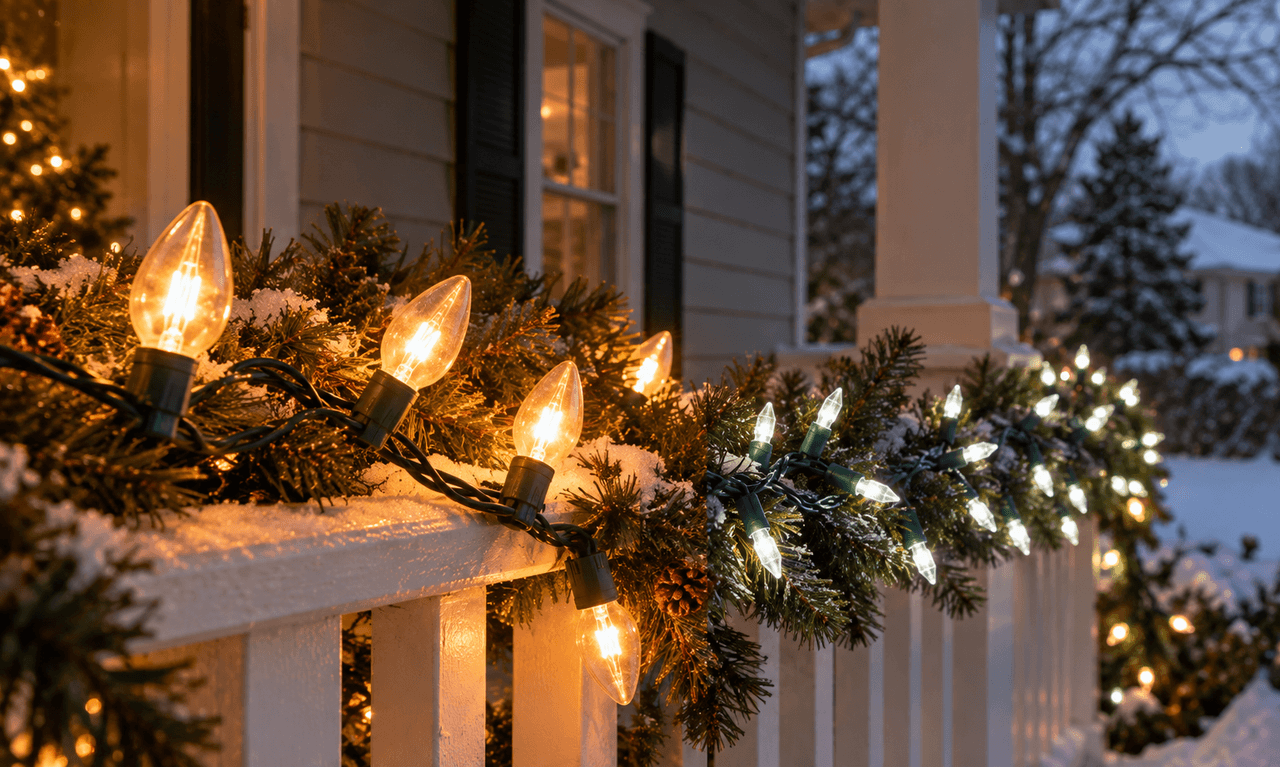
LED Christmas lights are available in many colors, sizes, and decorative styles, including mini lights, C7 and C9 bulbs, and specialized outdoor lighting products.
You can choose traditional warm-white lighting, cool white, multicolor strands, or other decorative effects, depending on the product.
Because LEDs consume relatively little electricity, they’re especially useful for larger displays that operate for several hours each evening.
They’re also widely used for professional holiday lighting installations.
What Are Incandescent Christmas Lights?
Incandescent Christmas lights use a traditional lighting technology.
Electricity passes through a thin filament inside the bulb, heating it until it produces visible light.
For many homeowners, incandescent lights bring back memories of childhood Christmas decorations.
Their soft, familiar glow is one reason they remain appealing.
However, incandescent bulbs use considerably more electricity than comparable LEDs.
They also produce more heat, and their fragile filaments can fail due to vibration, impact, or age.
Although incandescent lights can still create attractive displays, homeowners should consider their operating costs and maintenance requirements before choosing them for outdoor use.
LED vs. Incandescent Christmas Lights: Key Differences
Here’s a quick comparison of the two options.
| Feature | LED Christmas Lights | Incandescent Christmas Lights |
|---|---|---|
| Energy efficiency | Much higher | Lower |
| Electricity usage | Lower | Higher |
| Upfront purchase price | Often higher | Often lower |
| Lifespan | Generally longer | Generally shorter |
| Heat generation | Lower | Higher |
| Durability | Often more resistant to impacts | Filaments can be fragile |
| Color options | Wide variety | Traditional colors and tones |
| Best suited for | Energy-conscious and larger displays | Traditional appearance and smaller displays |
The best choice depends on your preferences, budget, and how extensively you plan to decorate.
Let’s explore the important differences in more detail.
1. Energy Efficiency: LED Christmas Lights Use Less Power
Energy consumption is one of the biggest differences between LED and incandescent Christmas lights.
LED bulbs convert electricity into light more efficiently, producing less waste heat.
According to energy-efficiency guidance from Hydro One, LED holiday lighting can use approximately 75% less electricity than conventional incandescent strands, although the exact savings depend on the products compared.
For a small display, the difference in electricity costs may be modest.
But if you decorate your entire roofline, trees, shrubs, and front entrance, the savings can become more noticeable.
Imagine running your outdoor lights for six hours every evening throughout December.
A large incandescent display may use several times more electricity than an equivalent LED installation.
That’s why energy-efficient Christmas lights are often the preferred choice for extensive residential decorations.
2. Upfront Cost: Which Christmas Lights Are More Affordable?
Incandescent Christmas lights often have a lower initial purchase price.
If you’re buying just one or two strands, that difference may influence your decision.
However, the purchase price isn’t the only expense to consider.
Your total lighting cost may include:
- Bulbs and lighting strands.
- Mounting clips and accessories.
- Extension cords and timers.
- Electricity throughout the season.
- Replacement bulbs or strands.
- Installation and removal.
LED products generally cost more upfront but can provide savings through lower energy usage and longer service life.
For larger outdoor displays, those benefits may outweigh the higher purchase price over time.
If you’re hiring a professional installer, ask which lighting materials are included and how replacements are handled.
A clear understanding of the complete package makes it easier to compare your options.
3. Brightness and Appearance: Which Looks Better?
Appearance is a major consideration when comparing LED vs. incandescent Christmas lights.
Traditional incandescent bulbs produce a familiar glow that many people associate with classic holiday decorations.
Older LED products sometimes appeared noticeably cooler or more bluish.
However, modern LED Christmas lights are available in a broad range of color temperatures and decorative styles.
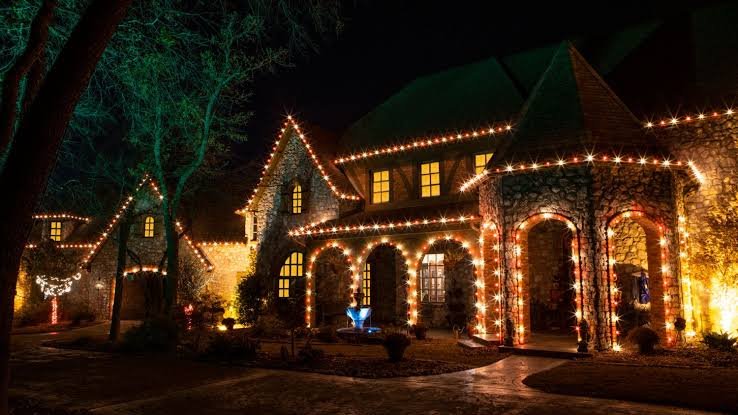
Warm-white LEDs can create a welcoming traditional appearance, while cool-white LEDs provide a brighter, more contemporary look.
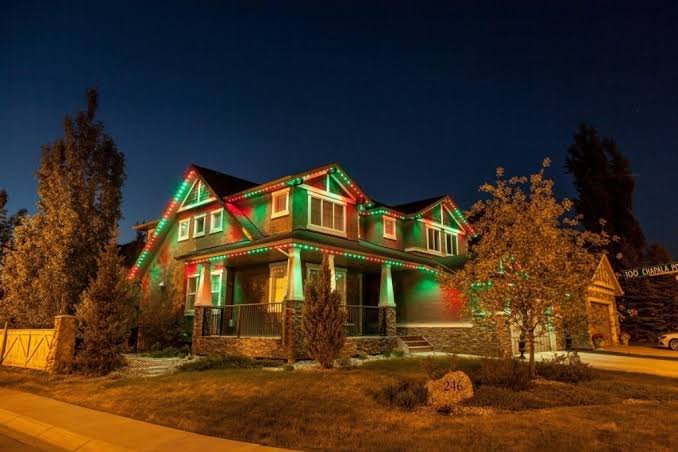
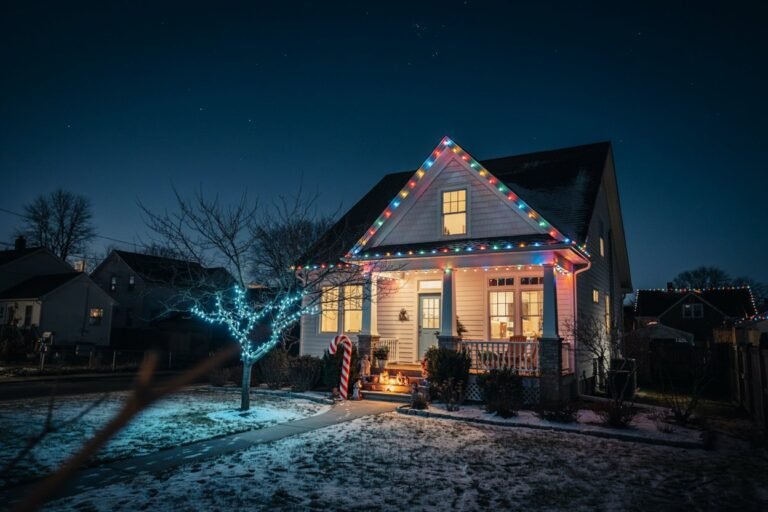
Colorful LEDs are also popular for playful holiday displays.
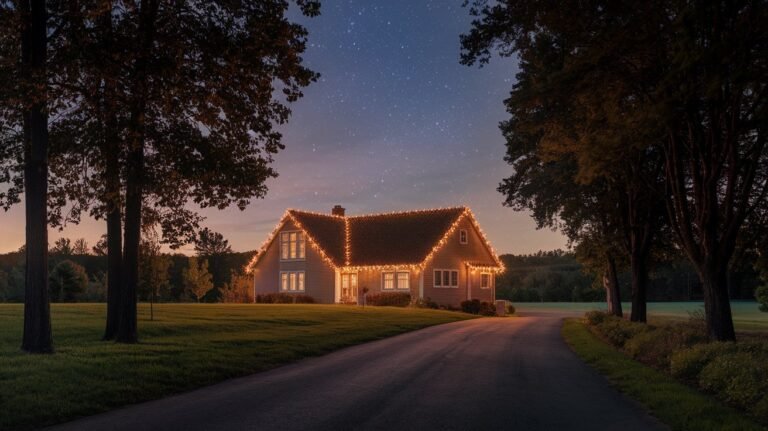
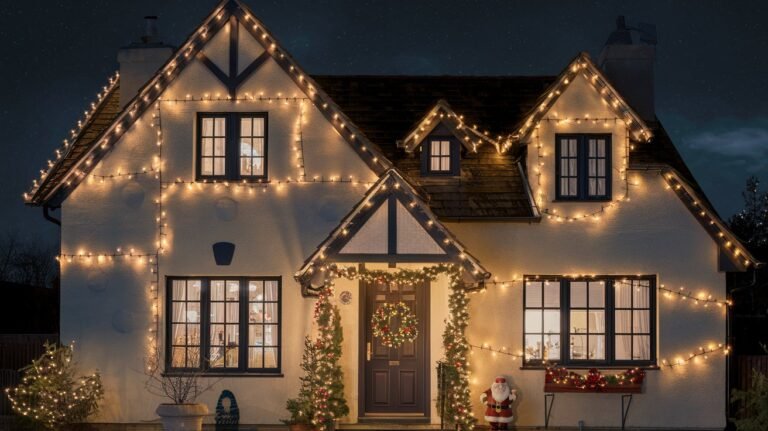
For a Connecticut colonial home, warm-white roofline lights may complement the architecture beautifully.
A modern home might benefit from crisp white lighting and symmetrical lines.
Ultimately, neither technology is automatically more attractive.
The overall design, bulb spacing, color consistency, and installation quality matter just as much as the lighting technology.
4. Durability: Which Christmas Lights Last Longer?
Outdoor Christmas lights face challenging conditions.
Connecticut winters can bring freezing temperatures, strong winds, snow, and moisture.
Over time, exposure to these conditions can affect lighting products and their connections.
LED Christmas lights generally have longer rated operating lives than incandescent bulbs.
They also avoid the fragile heated filaments used in traditional incandescent technology.
This can make LEDs a practical choice for outdoor lighting.
However, not every LED product is equally durable.
Product quality, weather ratings, connectors, and installation techniques all affect performance.
A poorly installed LED strand can still fail due to damaged wiring, moisture intrusion, or unsuitable connections.
For either technology, choose lights specifically rated for outdoor use and follow the manufacturer’s instructions.
5. Heat Generation: Are LED Christmas Lights Safer?
LED lights produce less heat than incandescent bulbs.
This is an important difference, especially around decorative greenery and other materials.
Incandescent bulbs operate by heating a filament, which means a significant portion of the electricity they consume becomes heat.
LED technology generates less waste heat for a comparable lighting output.
However, LEDs are not completely heat-free, and no electrical lighting product should be treated as risk-free.
Both types of lights require appropriate electrical connections, safe mounting methods, and suitable outdoor-rated equipment.
Homeowners should avoid overloading outlets, using damaged cords, or placing unsuitable lighting products near combustible materials.
Outdoor displays should also use appropriate ground-fault circuit interrupter protection.
If your installation involves rooflines or other difficult-to-reach areas, hiring qualified professionals can help reduce the need for risky do-it-yourself work.
6. Maintenance: Which Type Is Easier to Manage?
Nobody wants to spend a holiday evening searching for the reason a section of lights has stopped working.
Incandescent strands may require more frequent bulb replacement because their filaments can burn out or break.
LED Christmas lights generally have longer rated lifespans, reducing the need for routine bulb replacement.
However, LEDs can still develop faults.
Problems may involve damaged wires, connections, control components, or failed electronics.
For this reason, quality matters.
A reliable lighting system uses suitable products, properly supported connections, and installation techniques appropriate for the property.
If you hire a holiday lighting provider, ask what maintenance support is included.
Seasonal service availability may be particularly useful when lights are installed on tall rooflines or trees.
7. Which Christmas Lights Are Better for Large Outdoor Displays?
For larger displays, LED lights are generally the better option.
Their lower electricity consumption makes them useful when illuminating multiple areas of a property.
For example, a homeowner may want to decorate:
- The main roofline.
- Front porch columns.
- Several trees.
- Garden shrubs.
- Walkways and landscaping features.
Using incandescent lights across all these areas can increase the electrical load significantly.
LED products make it easier to design an extensive display with lower overall power consumption.
However, it’s still important to follow electrical ratings and the manufacturer’s connection limits.
A professional Christmas lighting plan should account for total electrical requirements, available outlets, and safe cable placement.
8. Which Type of Christmas Light Is Best for Connecticut Homes?
For most homeowners in Brooklyn, CT, and nearby communities, quality outdoor-rated LED Christmas lights are a strong choice.
They offer several practical advantages:
- Reduced energy consumption.
- A wide selection of colors and styles.
- Longer rated bulb life.
- Lower heat generation.
- Good flexibility for different outdoor designs.
That doesn’t mean traditional incandescent lights are always the wrong choice.
Some homeowners prefer their characteristic glow or already own suitable incandescent decorations.
For a small display used only occasionally, existing lights may still meet your needs.
However, if you’re planning a new installation that includes rooflines, landscaping, and decorative accents, LEDs are generally worth considering first.
9. Does Professional Installation Make a Difference?
The type of bulb matters, but installation quality also influences how your display looks and performs.
Even high-quality LED Christmas lights can look uneven if they aren’t positioned carefully.
A professional lighting design considers the spacing of bulbs, architectural features, electrical access, and overall appearance.
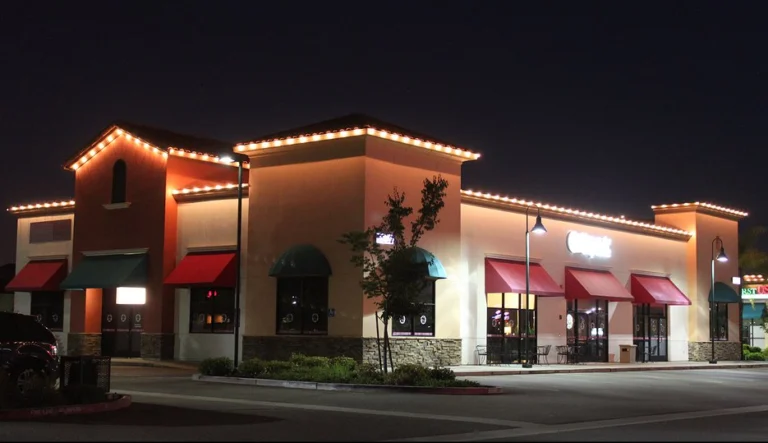
For example, a roofline installation should create a consistent outline rather than leaving awkward gaps around peaks and corners.
Tree lighting should complement the shape of the branches without placing unnecessary strain on them.
Proper planning also makes seasonal removal more manageable.
North Star Holiday provides Christmas lighting services for homeowners in Brooklyn, Connecticut, and surrounding Windham County communities.
If you’re comparing lighting styles for your property, explore North Star Holiday’s professional Christmas light installation options to discuss your preferred design.
10. How to Choose the Right Outdoor Christmas Lights
Before purchasing lights or booking an installation, consider five important questions.
What appearance do you want?
Traditional warm-white lighting creates an elegant effect, while multicolor designs provide a more festive atmosphere.
How large is your display?
A larger installation makes electricity consumption and product durability more important.
What’s your budget?
Consider both upfront costs and long-term operating expenses.
How will the lights be installed?
Rooflines, tall trees, and complex landscaping may require professional equipment and experience.
Who will maintain and remove the lights?
A clear maintenance and removal plan can prevent additional work later in the season.
Answering these questions will help you choose a lighting system that fits your home and expectations.
The Final Verdict: LED or Incandescent Christmas Lights?
For most new outdoor holiday lighting projects, LED Christmas lights offer the better overall balance of efficiency, durability, and design flexibility.
They generally consume far less electricity, last longer, and offer many attractive color options.
Incandescent bulbs still have nostalgic appeal, particularly for homeowners who love the traditional warm glow.
But when planning a larger display or investing in new lighting products, the practical advantages of LEDs are difficult to ignore.
The right installation should also reflect your home’s architecture and personal style.
Light Up Your Holidays With North Star Holiday
Choosing between LED and incandescent Christmas lights is only the beginning.
A thoughtful lighting plan can transform your home into a welcoming holiday display that looks beautiful from the street.
North Star Holiday serves Brooklyn, CT, and nearby communities, helping homeowners plan and install seasonal Christmas lighting.
Whether you prefer classic warm-white roofline lights or a colorful outdoor display, professional installation can bring the different elements together.
Visit North Star Holiday to inquire about Christmas lighting for your property and take the next step toward a brighter holiday season.
Frequently Asked Questions
Are LED Christmas lights better than incandescent lights?
LED Christmas lights are generally better for energy efficiency, long-term durability, and larger outdoor displays. Incandescent bulbs may appeal to homeowners who prefer their traditional appearance or lower upfront purchase price. The best choice depends on your decorating goals and budget.
Do LED Christmas lights use less electricity?
Yes. LED Christmas lights typically use significantly less electricity than comparable incandescent strands. The exact savings depend on the bulb type, wattage, number of lights, and operating schedule. Larger displays generally provide more opportunities to reduce electricity consumption.
Do LED Christmas lights last longer than incandescent lights?
LED bulbs typically have a longer rated operating life because they don’t rely on fragile heated filaments. However, actual lifespan varies by product quality, weather exposure, maintenance, and usage. Outdoor-rated materials and correct installation remain important.
Can LED Christmas lights stay outside in winter?
Outdoor-rated LED Christmas lights are designed for use in suitable exterior conditions, but not every LED strand is weatherproof. Always check the product’s environmental rating and follow installation instructions. Secure mounting and protected electrical connections are especially important during Connecticut winters.
Which Christmas lights look more traditional?
Incandescent bulbs are known for their familiar warm glow, but modern warm-white LEDs can provide a similar holiday atmosphere. When choosing LEDs, compare color temperature and product samples to find the shade that best complements your home.
Are LED Christmas lights worth the higher upfront cost?
For many homeowners, yes. Lower energy consumption, longer rated bulb life, and reduced replacement needs can make LEDs economical over time. Their value is particularly noticeable for large outdoor displays operated regularly throughout the holiday season.